
West Des Moines, IA · Garage Door Service
Roller Replacement for Waukee's Newer Housing Stock
Waukee homes mostly date to the 2000s building boom, so original builder-grade rollers are hitting 15-20 years old. We travel the 6 miles from West Des Moines to swap them out.
- Repairs & new doors
- Springs & openers
- Serving 4 nearby communities
What Causes It Around Here
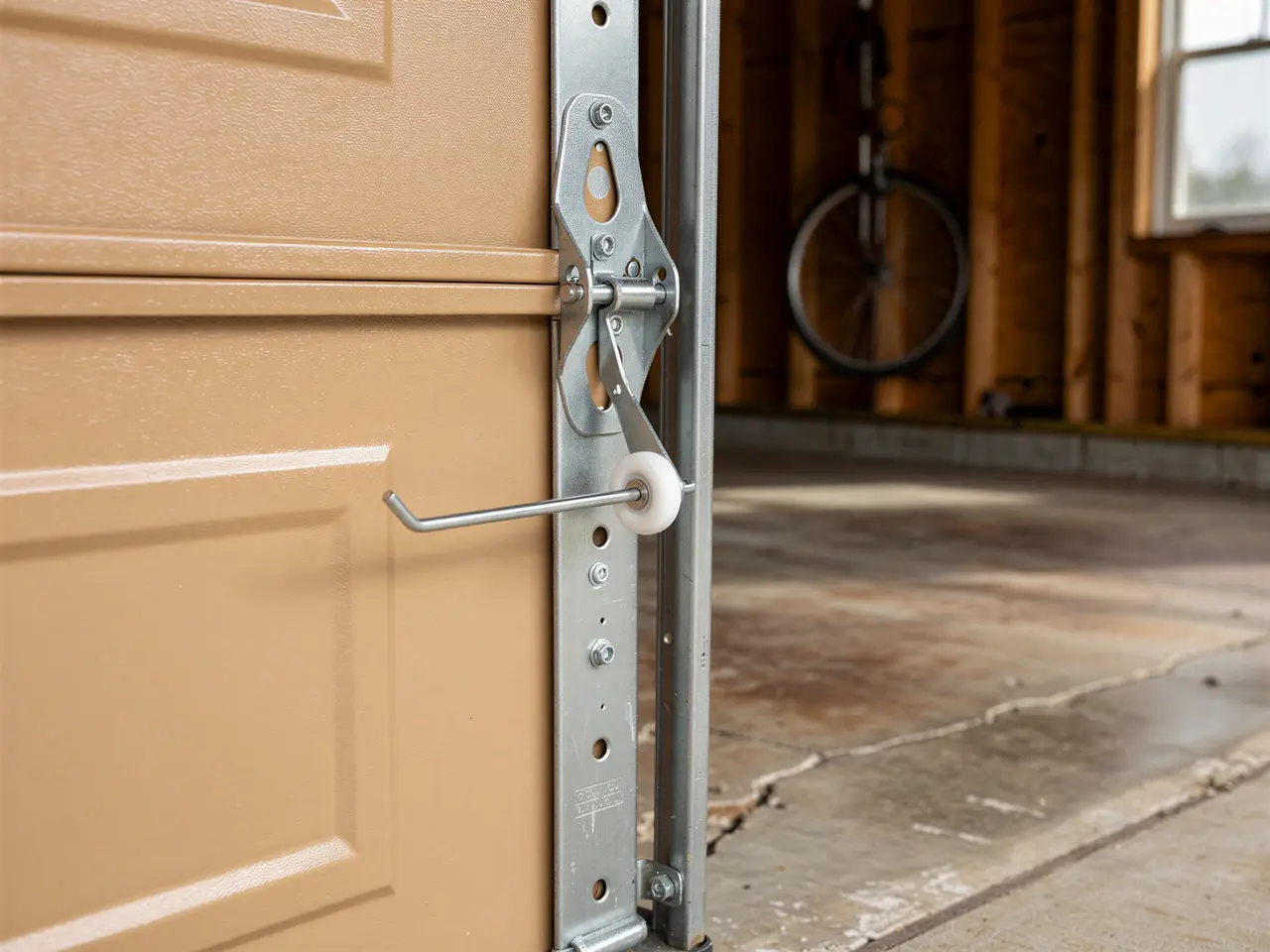
Waukee's median year built lands around 2009, which puts it well past the broader area's 1987 median - this is one of the newest pockets of housing we cover. That matters for rollers because builder-grade installs from the 2000s boom almost always went in with plain steel rollers on steel stems, the cheapest option a production builder could spec. Fifteen to twenty years later, those rollers are still original on a huge share of these doors. Nobody swapped them out at year ten the way they might with a spring, because a noisy roller doesn't strand your car the way a snapped spring does - it just gets louder and rougher until one day it doesn't.
The nylon rollers that came standard on some of the pricier builds from that era hold up better, but the steel ones wear a groove into themselves and start binding in the track. Combine that with our cold winters - this is a cold-climate band, and steel rollers contract and seize slightly more than nylon ones when the temperature drops - and you get doors that grind hardest on the coldest mornings. If your house went up in that 2000s wave, there's a decent chance the rollers under the panels are the exact ones the builder's crew hung.
How Long You Are Without the Door
A roller job isn't a parts-on-backorder situation. We carry the common roller sizes and bearing types on the truck, so once we're at the house in Waukee - about 6 miles out from our West Des Moines base - the actual swap runs one to two hours depending on how many rollers are bad and whether the track needs truing where the steel rollers gouged it.
We don't stage this as an overnight wait. The door stays usable while we work; we pull and replace rollers a few at a time rather than dropping the whole panel assembly, so you're not standing there with an open bay for half a day. The one thing that stretches the job is if a roller has seized hard enough to bend its own bracket - then we're straightening or replacing bracket hardware too, which adds time but still finishes same visit in nearly every case we've seen on doors this age.
How It Shows Up
The first sign in a 2000s-built Waukee home is almost always sound before it's motion. Steel rollers that have gone 15-plus years without lubrication or replacement start with a rhythmic squeak as the door travels, then progress to a grinding or rattling noise, especially on the last foot of travel near the top of the track where the curve puts the most load on the roller bearing.
Next comes a visible shudder - the door jerks instead of gliding, particularly if you're watching the bottom panel while the opener runs. On a two-car door, this often shows up unevenly: one side grinds while the other still runs fairly smooth, because load and wear aren't identical track to track. If you let it go long enough, a roller can actually pop out of the track entirely, which will stop the door mid-travel and is the point where this stops being a maintenance item and becomes a same-day call.
The Cost of This Job
We don't have a posted price for this job to quote here, and giving you a number without seeing the door and roller count would be a guess, not a fact. What we can tell you is what drives the cost on a house like the ones built in Waukee's 2000s boom: roller material (steel versus nylon), how many of the ten rollers per door actually need replacing, and whether the track needs adjustment from years of a seized roller riding against it unevenly.
One honest limitation: if a roller has worn long enough to also damage the track itself, roller replacement alone won't quiet the door - you're looking at track work too, and we'll tell you that up front rather than replace rollers and have you call back in a month still hearing noise. With Waukee's median household income running higher than the broader service area, we still price the same job the same way for every house - the hardware and labor don't change because of the ZIP code.
Frequently asked questions
Why are my rollers wearing out when the house is only from the 2000s?
Builder-grade steel rollers were standard on most Waukee construction from that era, and they're rated for roughly ten years of smooth operation before wear sets in. At 15-20 years old now, a lot of these original rollers are past their expected life, especially on the daily-use side of a two-car door.
Do you carry roller parts on the truck, or do we have to wait on an order?
Common steel and nylon roller sizes are stocked on the truck, so most Waukee jobs get finished in one visit after the roughly 6-mile drive out from our West Des Moines base. Unusual bracket or stem hardware on an older or custom door is the exception that might need ordering.
Can I just replace the noisy rollers myself?
You can, but rollers sit under spring tension from the door's weight when the track curves, and a slipped roller during a DIY swap can drop a panel on your hand. We'd rather you call than end up with a bigger repair.
Will new rollers fix the grinding noise completely?
Usually, yes - if the track itself is straight. If a worn-out steel roller has been riding crooked long enough to gouge or bend the track, you'll still hear some noise after the roller swap until the track gets corrected too.
Book garage door service in West Des Moines
Call now or request a quote - tell us what the door is doing and where you are.